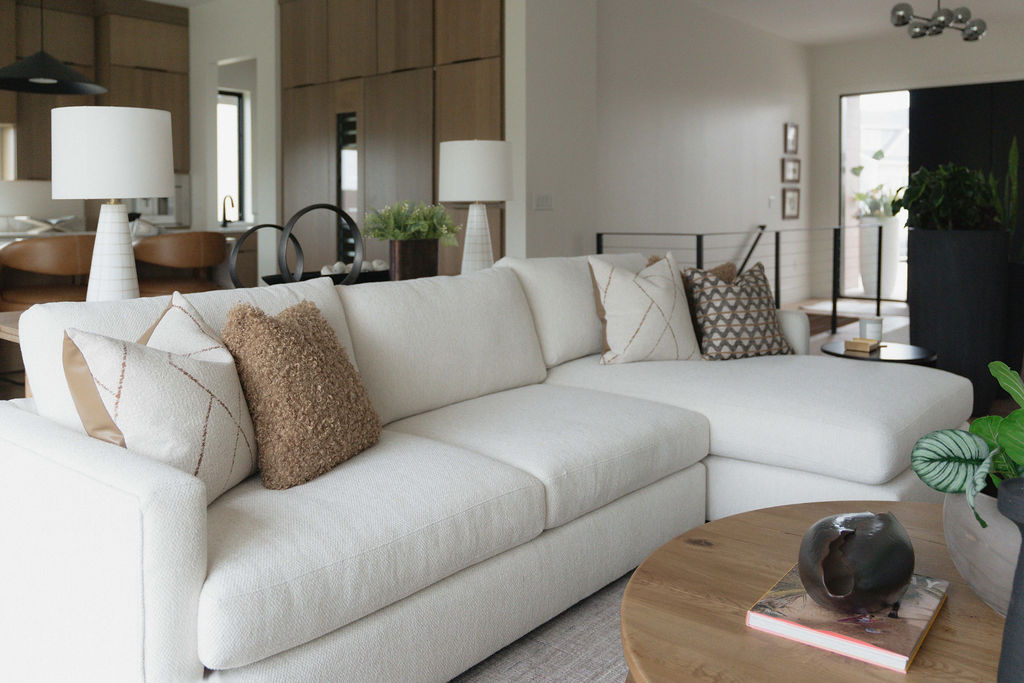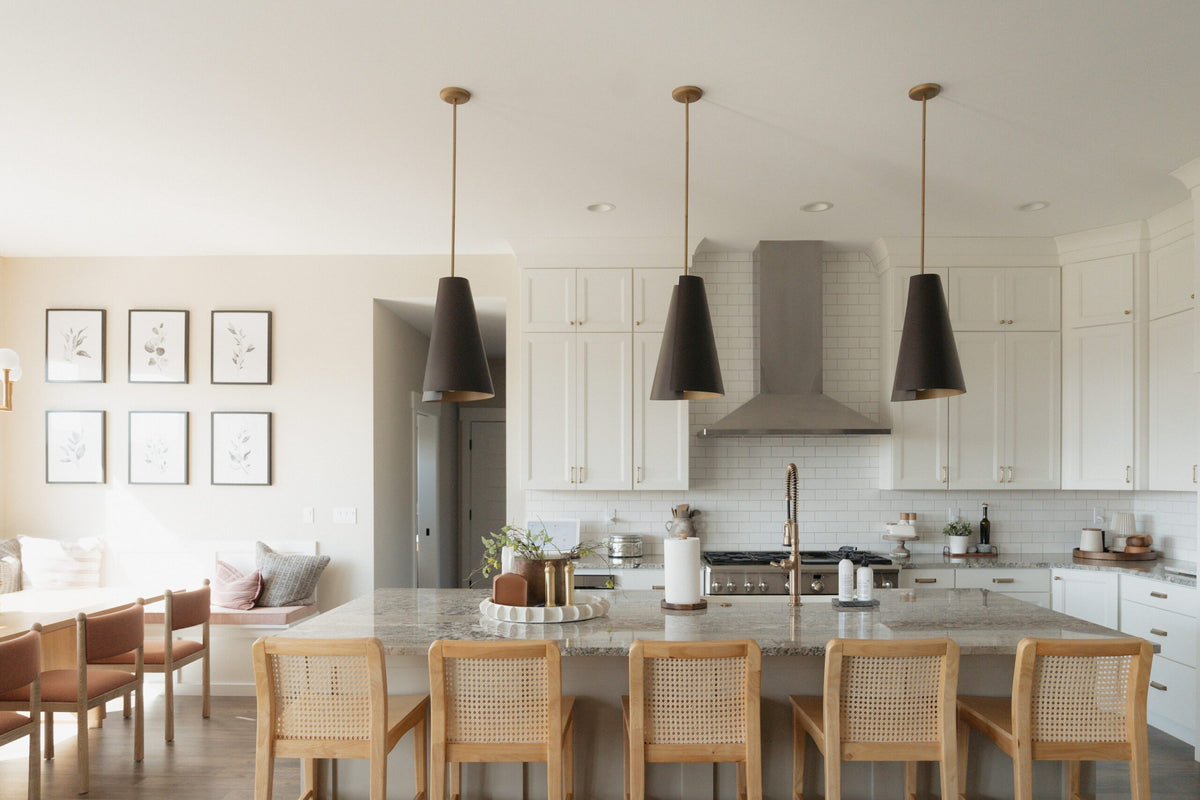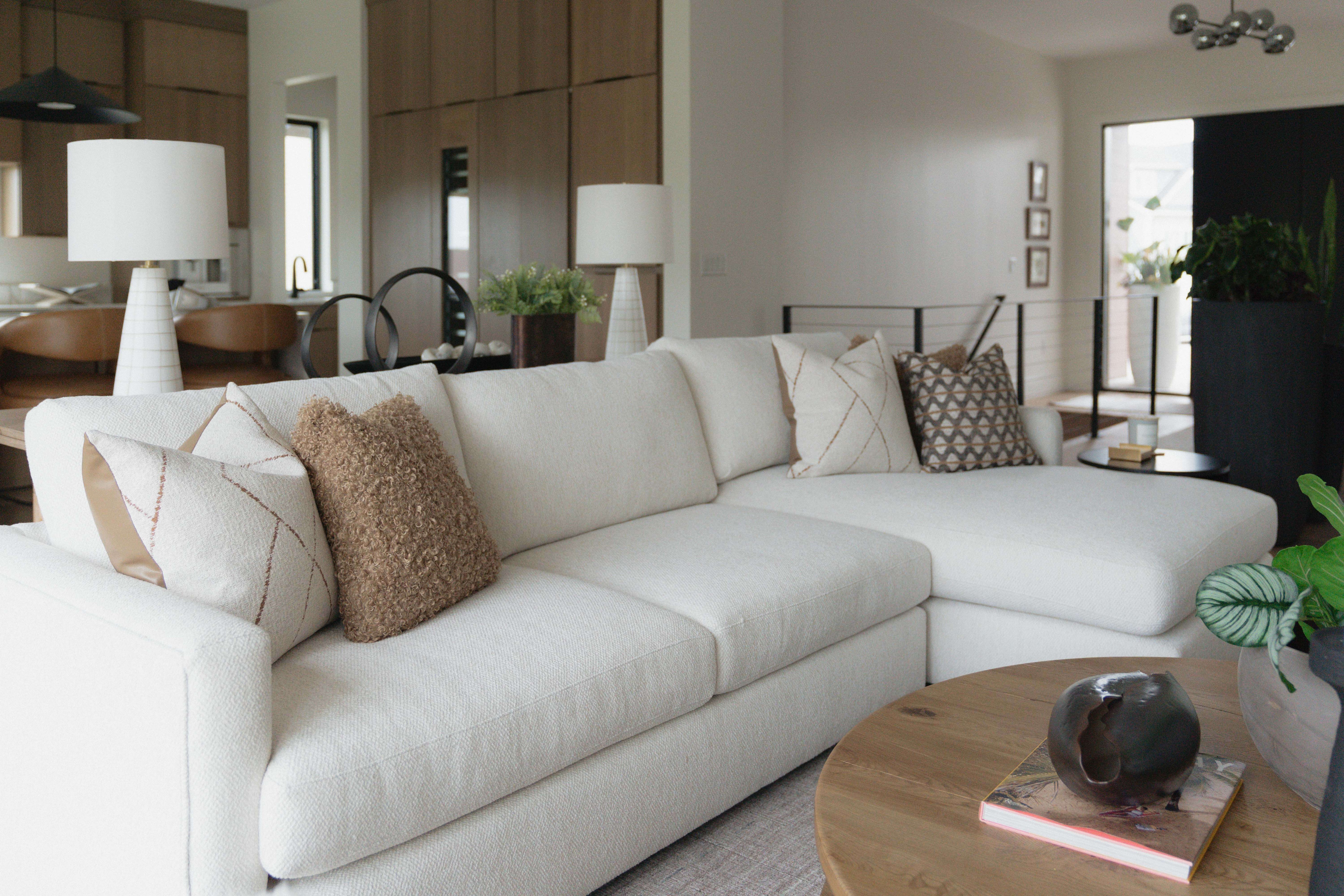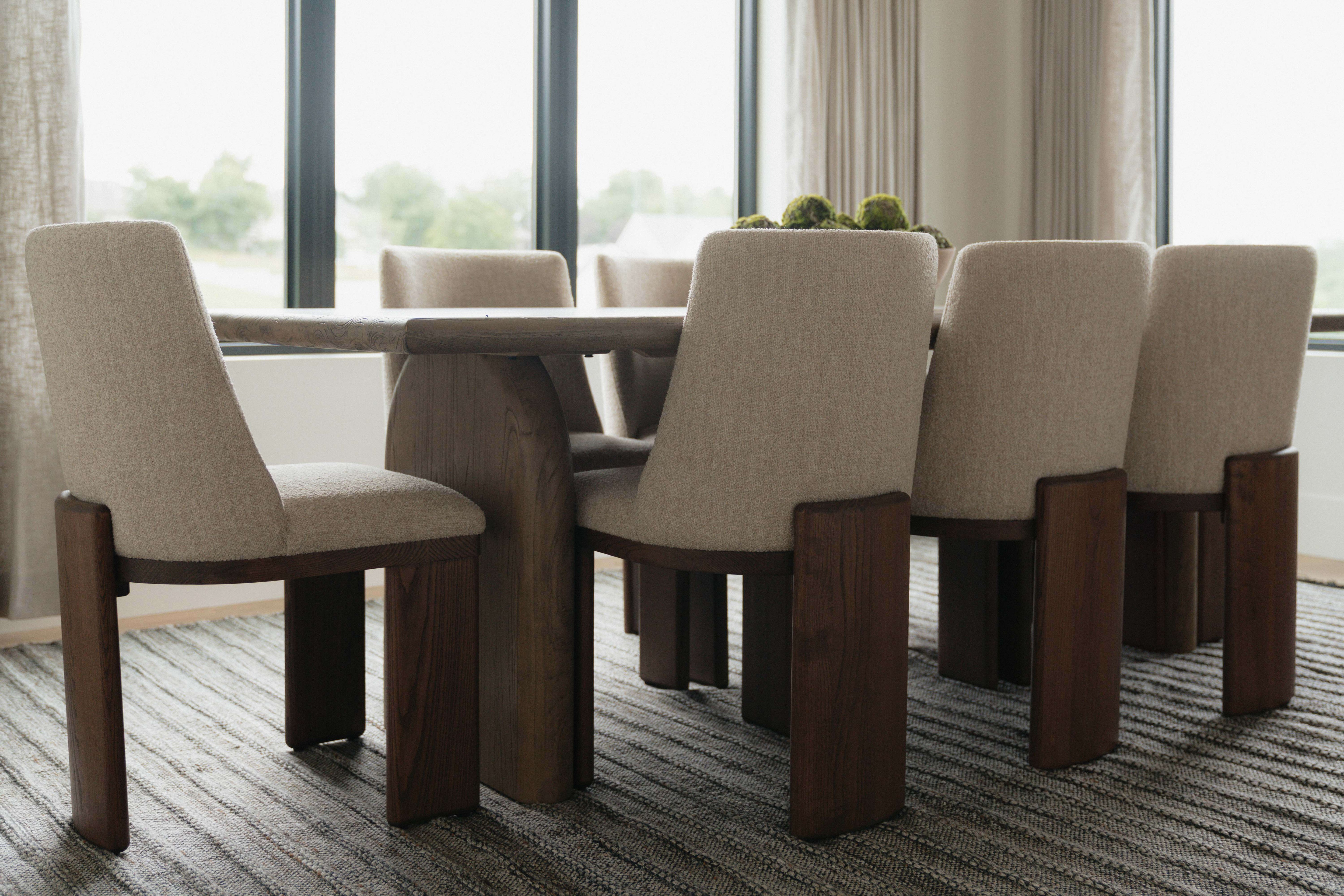
In today’s world, our homes have become offices, gyms, lounges, classrooms, and more. Designing a multi-functional space that adapts to your lifestyle while maintaining balance and beauty is both an art and a necessity. Here are ten key strategies to create a home that works as hard as you do, while still allowing for moments of calm and joy.
1. Start with Clear Zones
- Define areas for different activities (e.g. work, lounging, hobbies).
- Use rugs, lighting, or furniture placement to visually separate zones.
- Avoid overlap to reduce stress and increase productivity.

2. Choose Flexible Furniture
- Opt for pieces that can serve multiple purposes, like a sleeper sofa or extendable table.
- Look for hidden storage to reduce clutter.
- Modular designs can adapt with changing needs.
3. Maximize Natural Light
- Bright, open spaces improve mood and productivity.
- Position workspaces near windows whenever possible.
- Use sheer curtains to soften without blocking light.

4. Keep Storage Smart & Stylish
- Use furniture with built-in storage to maintain a clean look.
- Designate baskets or bins for play, work, and relaxation.
- Incorporate vertical storage like shelves or wall hooks.
5. Create a Work-From-Home Nook
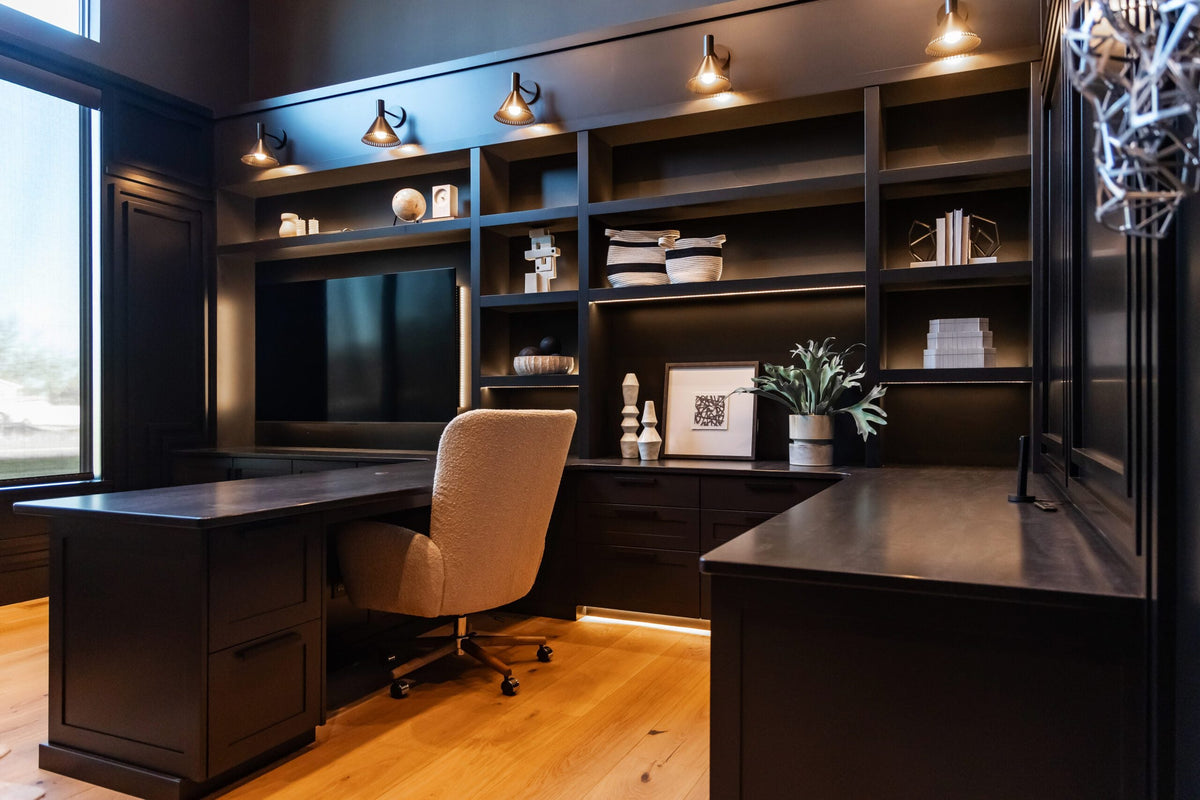
- Carve out a dedicated workspace that is both efficient and inspiring.
- Add task lighting and ergonomic seating.
- Keep it visually distinct from rest areas to encourage boundaries.

6. Prioritize Comfort for Downtime
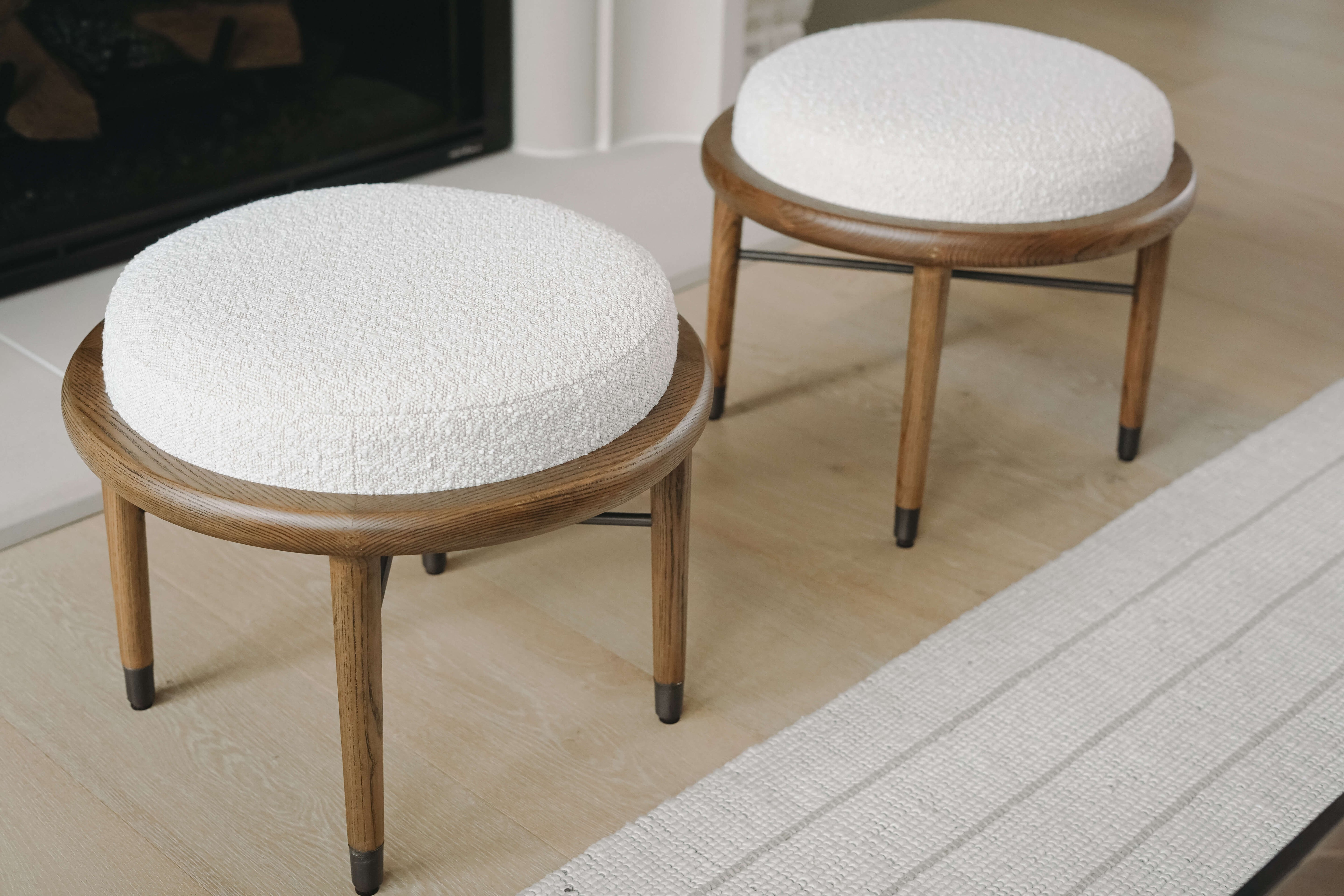
- Invest in cozy textiles and soft seating to encourage rest.
- Layer throws, pillows, and rugs for warmth and texture.
- Include calming colors and natural materials for a grounding effect.
7. Add Playful Touches
- Include open floor space or easily moved furniture for games or movement.
- Use artwork, books, or playful decor to reflect personality and fun.
- Keep play essentials within reach but neatly stored.

8. Use Color to Guide Mood
- Calming hues in rest areas, energizing tones near workspaces.
- Neutral palettes help unify a multi-functional space.
- Accent colors can help distinguish different zones.
9. Embrace Minimalism Where It Counts
- Less clutter allows for more function and flexibility.
- Focus on quality, versatile pieces instead of quantity.
- Regularly reset your multi-functional space to keep it intentional.

10. Design with Flexibility in Mind
- Use foldable or stackable furniture for quick changes.
- Rearranging furniture seasonally can refresh energy and purpose.
- Plan your layout around your current lifestyle and future needs.
Final Thoughts
A multi-functional space doesn’t mean sacrificing style. With thoughtful planning and purposeful design, your home can support your work, your rest, and your joy, all in one cohesive environment.