
Mixing and matching patterns is a powerful way to infuse personality, energy, and sophistication into any space. But when done without intention, it can quickly turn chaotic. So how do designers achieve that perfect balance where florals, stripes, geometrics, and textures all coexist harmoniously? It’s not magic, it’s strategy. Whether you’re updating your living room, revamping your bedroom, or curating the perfect tablescape, this guide will help you mix patterns like a pro.
1. Start with a Dominant Pattern
- Choose one bold, eye-catching pattern to serve as your room’s focal point: like a large-scale floral or statement geometric.
- Use this dominant pattern on major items such as curtains, area rugs, or a statement wallpaper.
- Let the color palette from this pattern guide the rest of your pattern and decor choices for cohesion.

2. Stick to a Consistent Color Palette
- Limit your color scheme to two to four main colors to keep everything cohesive, even when patterns vary.
- Use tones and shades of the same hue to build depth without adding chaos.
- Anchor with neutrals (like white, gray, or beige) to create breathing room between busy patterns.
3. Vary the Scale of Patterns
- Combine large-scale prints with smaller ones to create contrast and keep the eye moving naturally.
- Avoid using multiple patterns of the same scale, which can compete and overwhelm the space.
- Use mid-sized patterns to bridge the gap between your large and small-scale prints.

4. Mix Pattern Types Thoughtfully
- Pair geometric with organic prints (e.g., stripes with florals or checks with paisleys) to create visual harmony.
- Layer solids and textures between patterned elements for balance and contrast.
- Don’t repeat the same type of pattern excessively: variety is key to dynamic design.
5. Use Texture as a Pattern Substitute
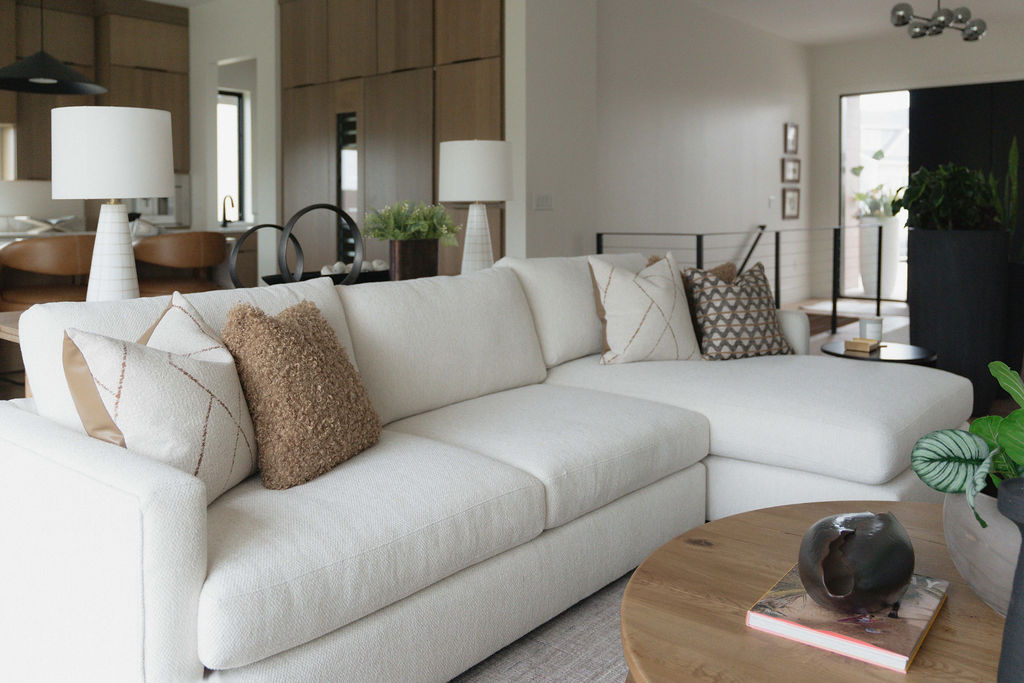
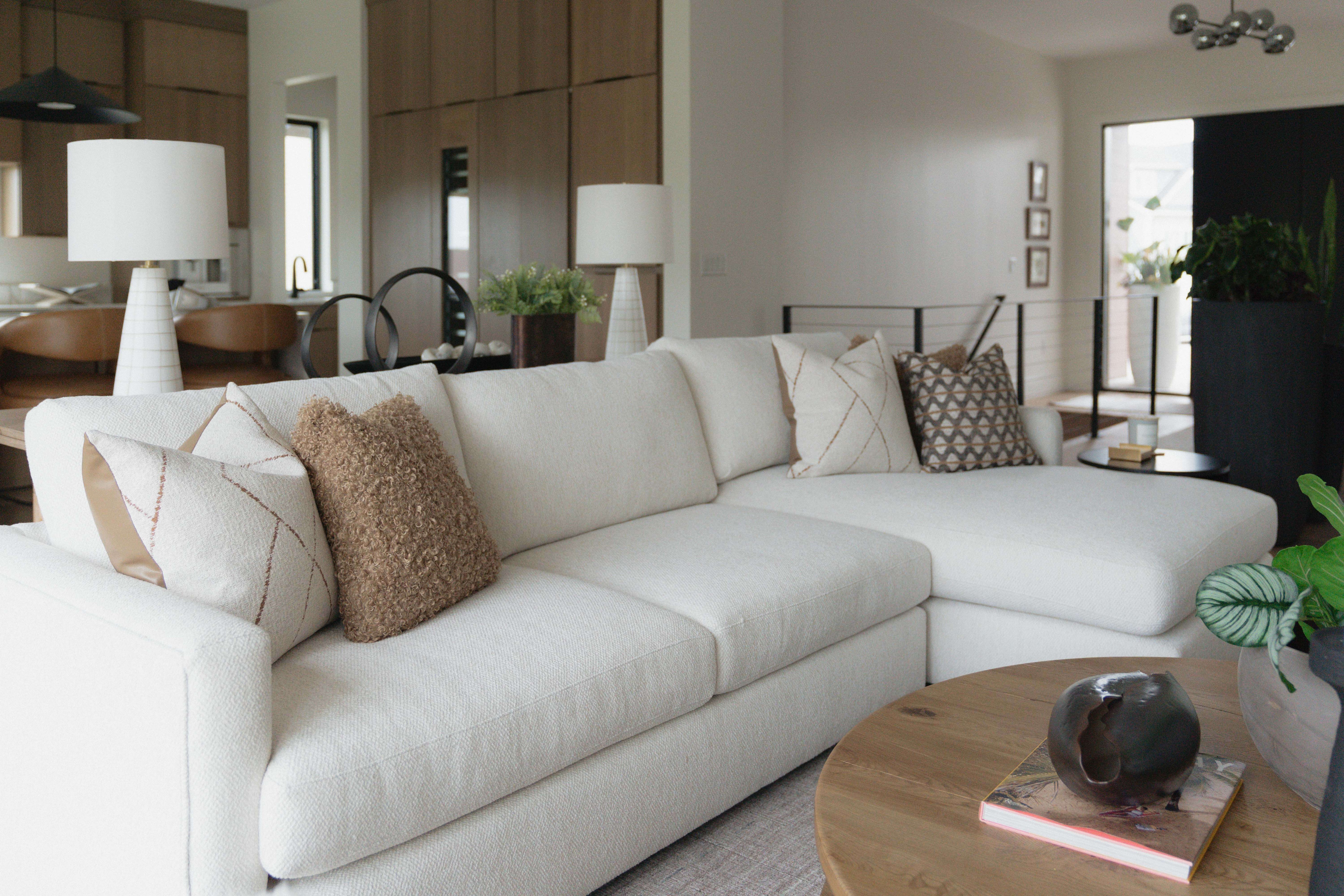
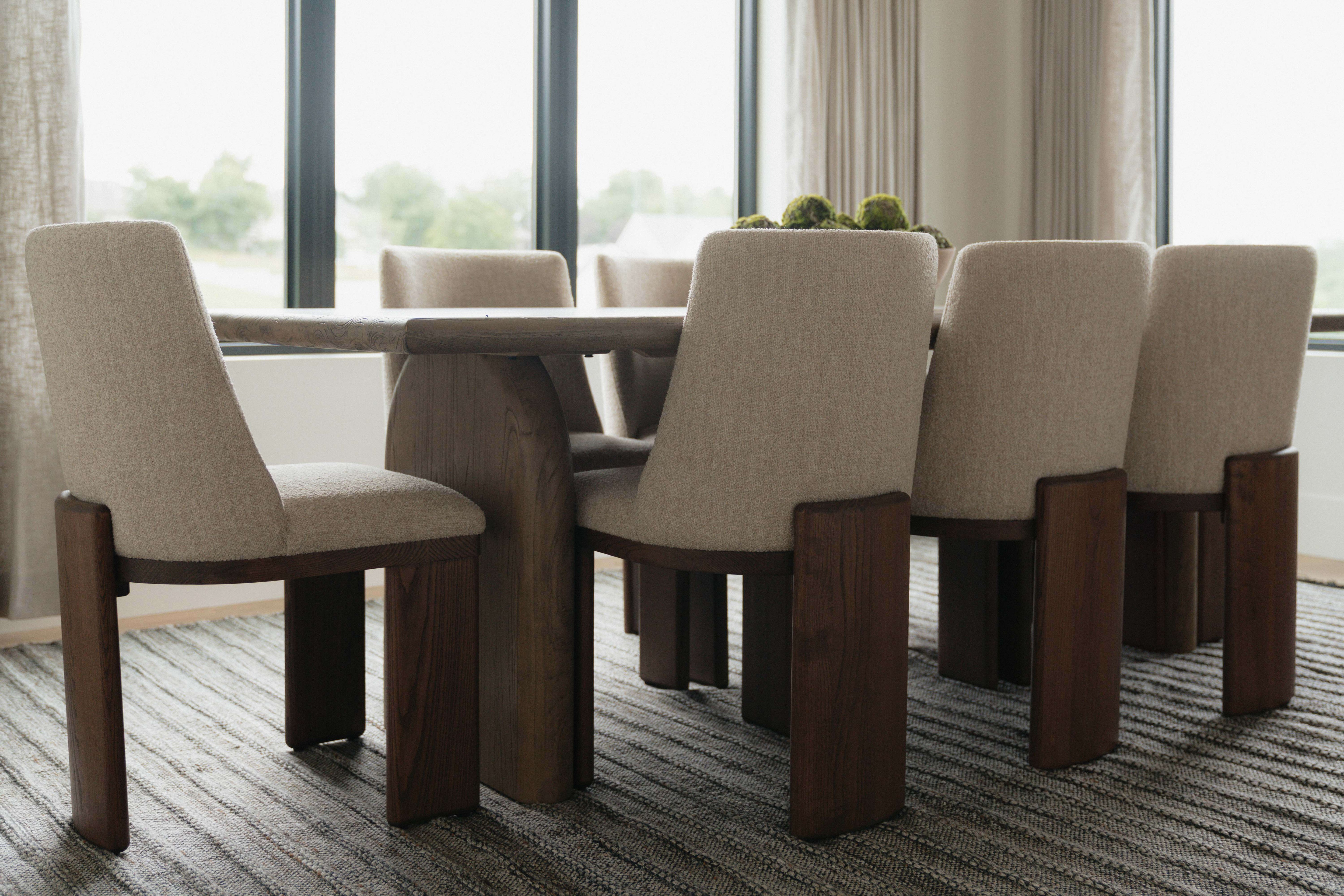
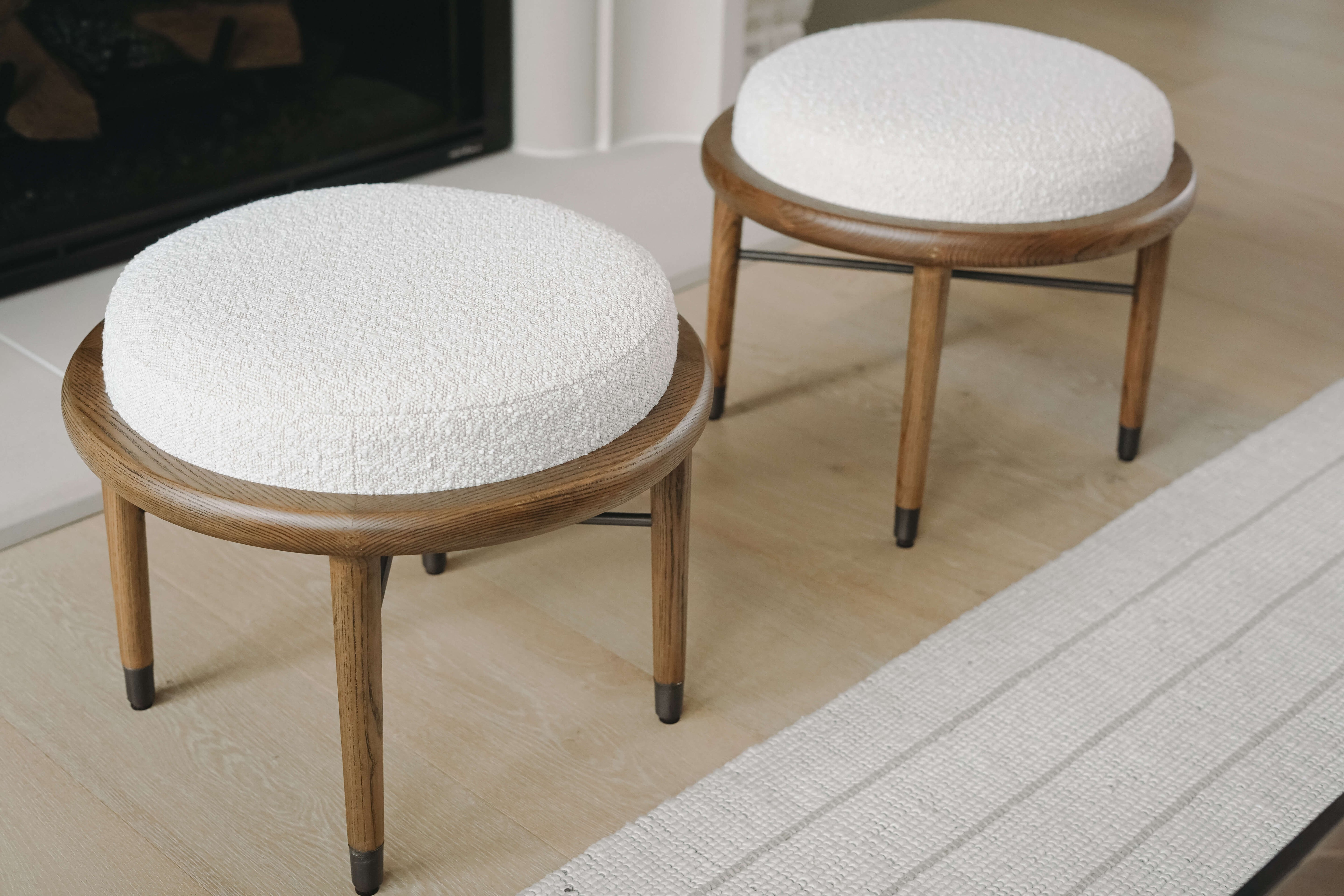
- Textured fabrics like boucle, linen, or velvet offer subtle visual interest without adding more prints.
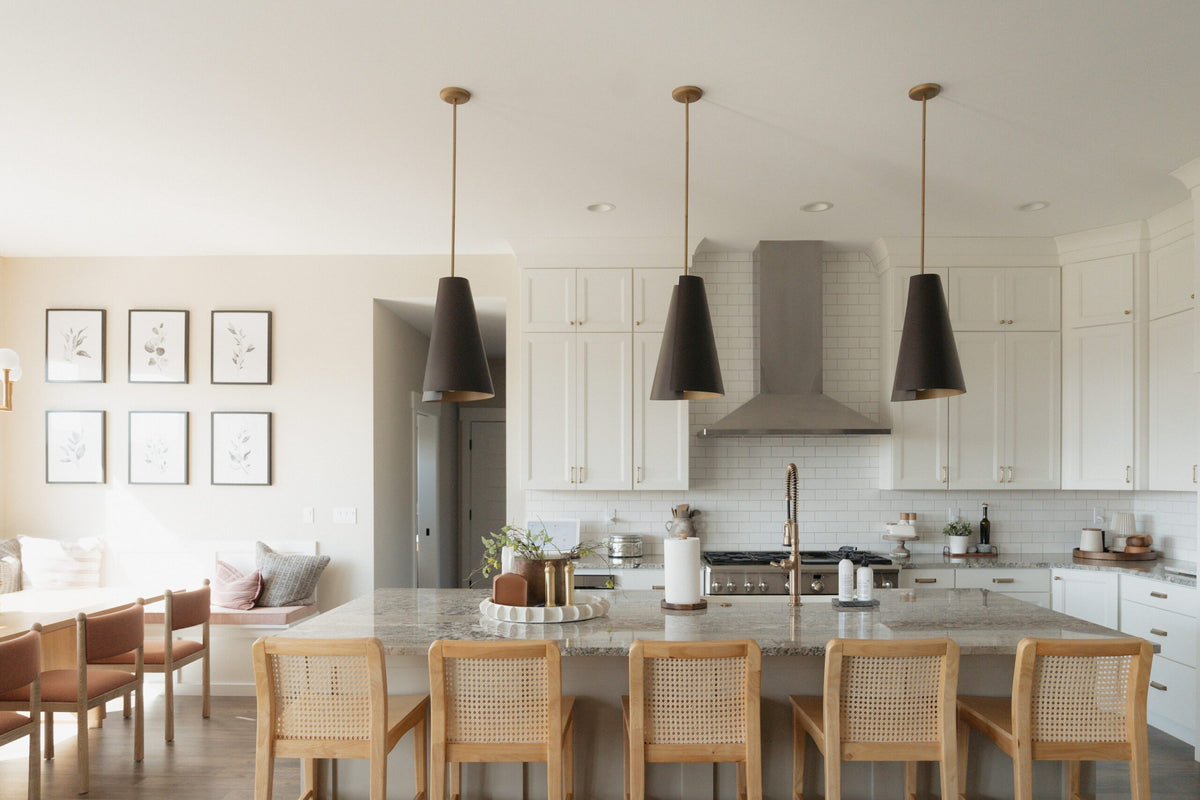
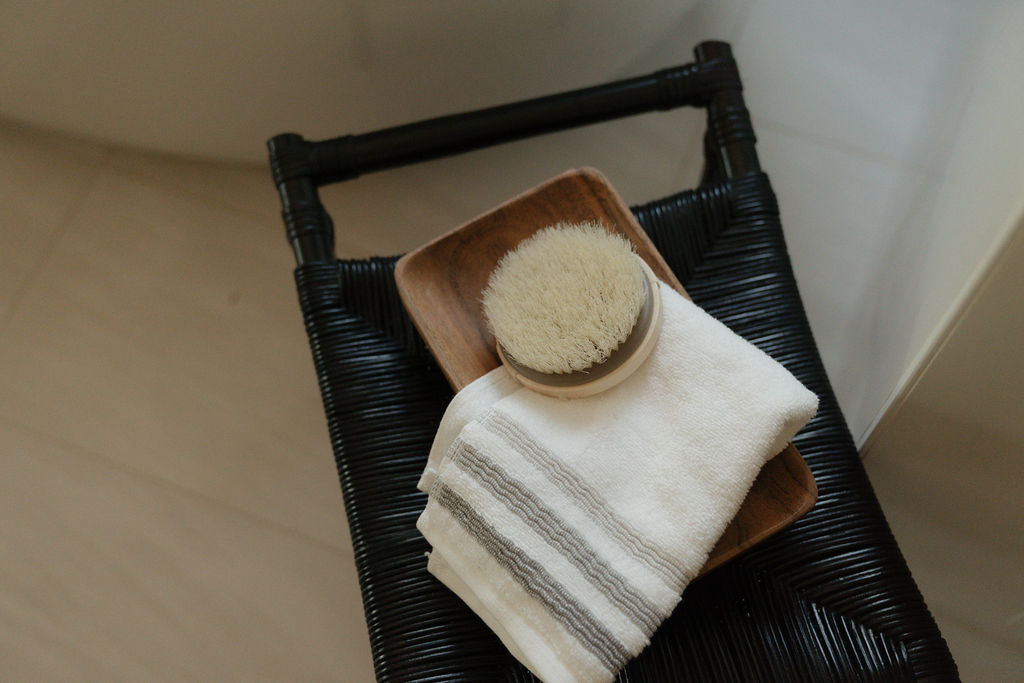
- Woven rugs, rattan furniture, or knitted throws can act as "quiet patterns" in your scheme.
- Balance loud patterns with tactile surfaces to create visual rest.

6. Anchor with Neutrals and Solids
- Solid-colored pieces help ground the room, letting patterns pop without overwhelming the room.
- Use neutral furniture or walls as a blank canvas to showcase patterned elements.
- Incorporate solid pillows, throws, or curtains to break up areas with heavy patterning.
7. Repeat Patterns Strategically
- Echo a pattern type or shape across different parts of the room, like a subtle stripe in both a rug and a throw.
- Use repetition to tie the room together, even if the patterns themselves are varied.
- Keep the repetition subtle to avoid redundancy while enhancing cohesion.

8. Use Pattern in Layers and Zones
- Layer patterns with intention: start from the largest surfaces (rugs, curtains) and move to the smallest (pillows, art).
- Zone patterns to specific areas: such as stripes in the dining area and florals in the sitting nook.
- This layering strategy ensures flow without pattern overload in one spot.
9. Consider the Style and Mood
- Choose patterns that match your room’s theme. For example, ikat and global inspired prints for a boho space, or damask and toile for traditional.
- Patterns can set the tone: stripes feel structured, florals romantic, and abstract prints modern.
- Let the function of the space guide the pattern intensity (e.g., softer prints in a bedroom, bolder ones in a dining room).

10. Trust Your Eye (and Test Before You Commit)
- Use mood boards or fabric swatches to see how patterns interact before buying or decorating.
- Leave the test samples in your space for a few days to assess lighting and feel.
- If it feels too busy, remove one element: editing is just as important as styling.
Final Thoughts
Mixing patterns seamlessly is all about balance, contrast, and creativity. Once you understand how scale, color, and style work together, pattern play becomes less intimidating and more empowering. Whether you’re layering stripes with florals or mixing plaid with polka dots, the key is intention. With these guiding principles, you’ll be able to create vibrant, stylish spaces that reflect your personality, without any visual noise.