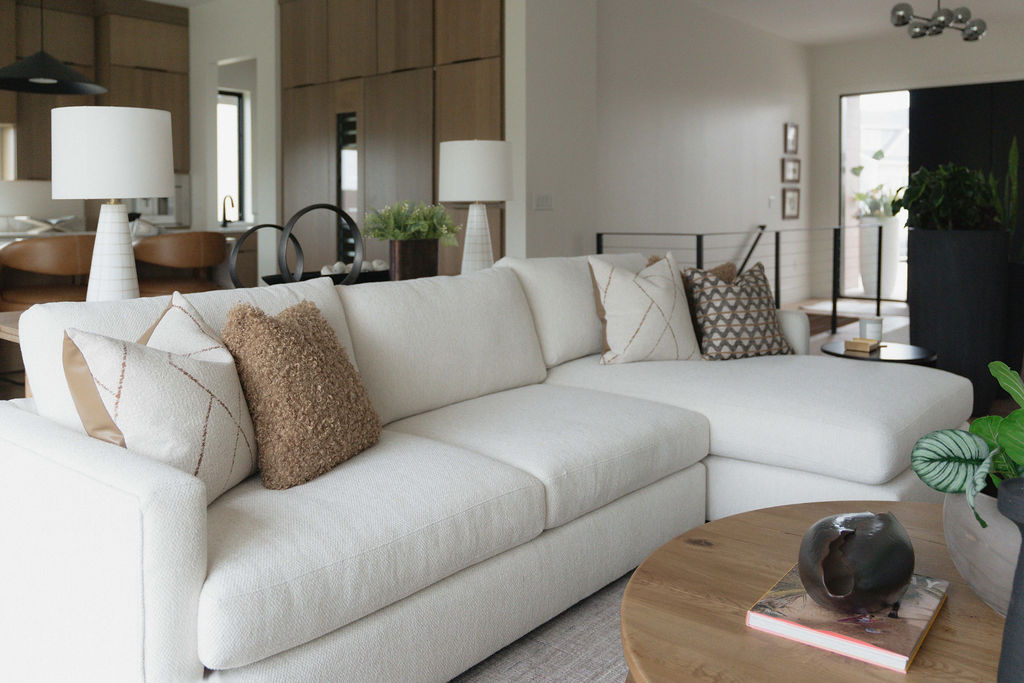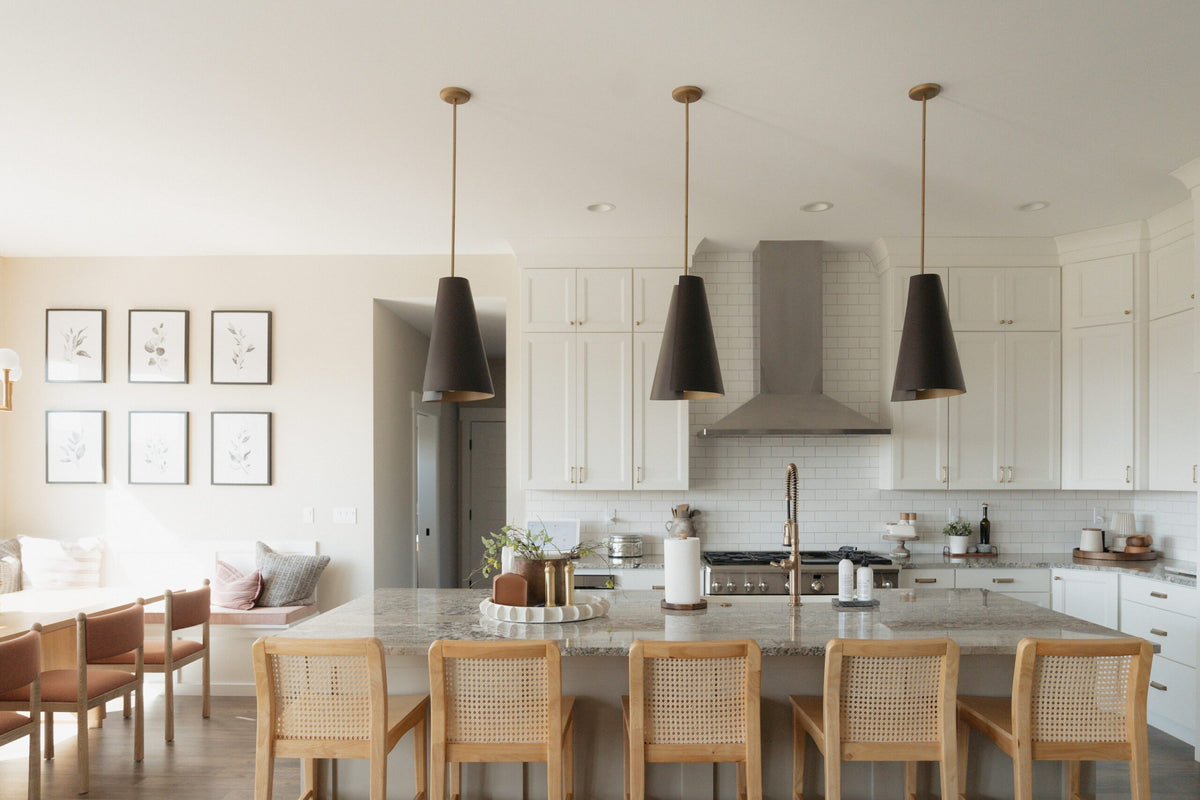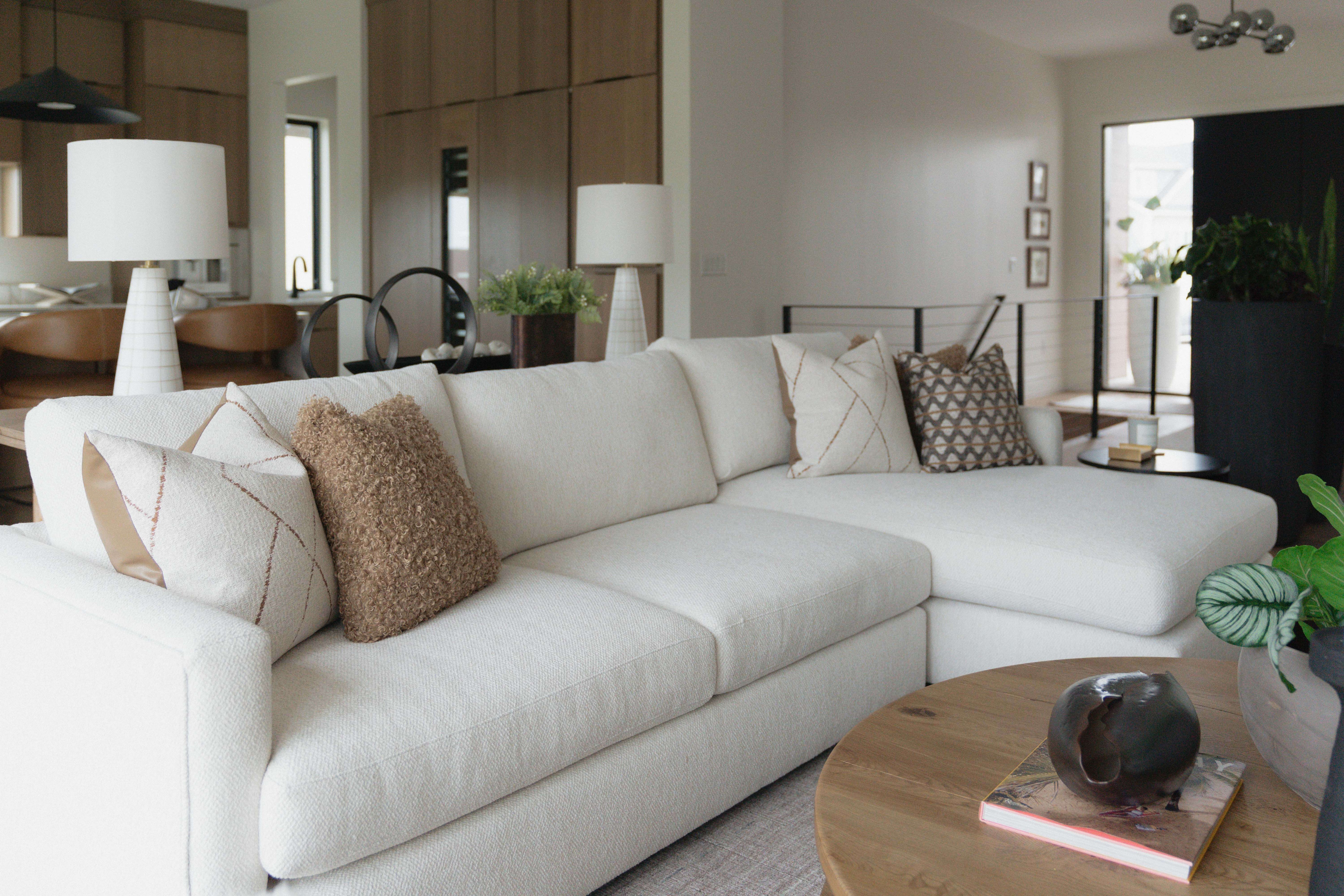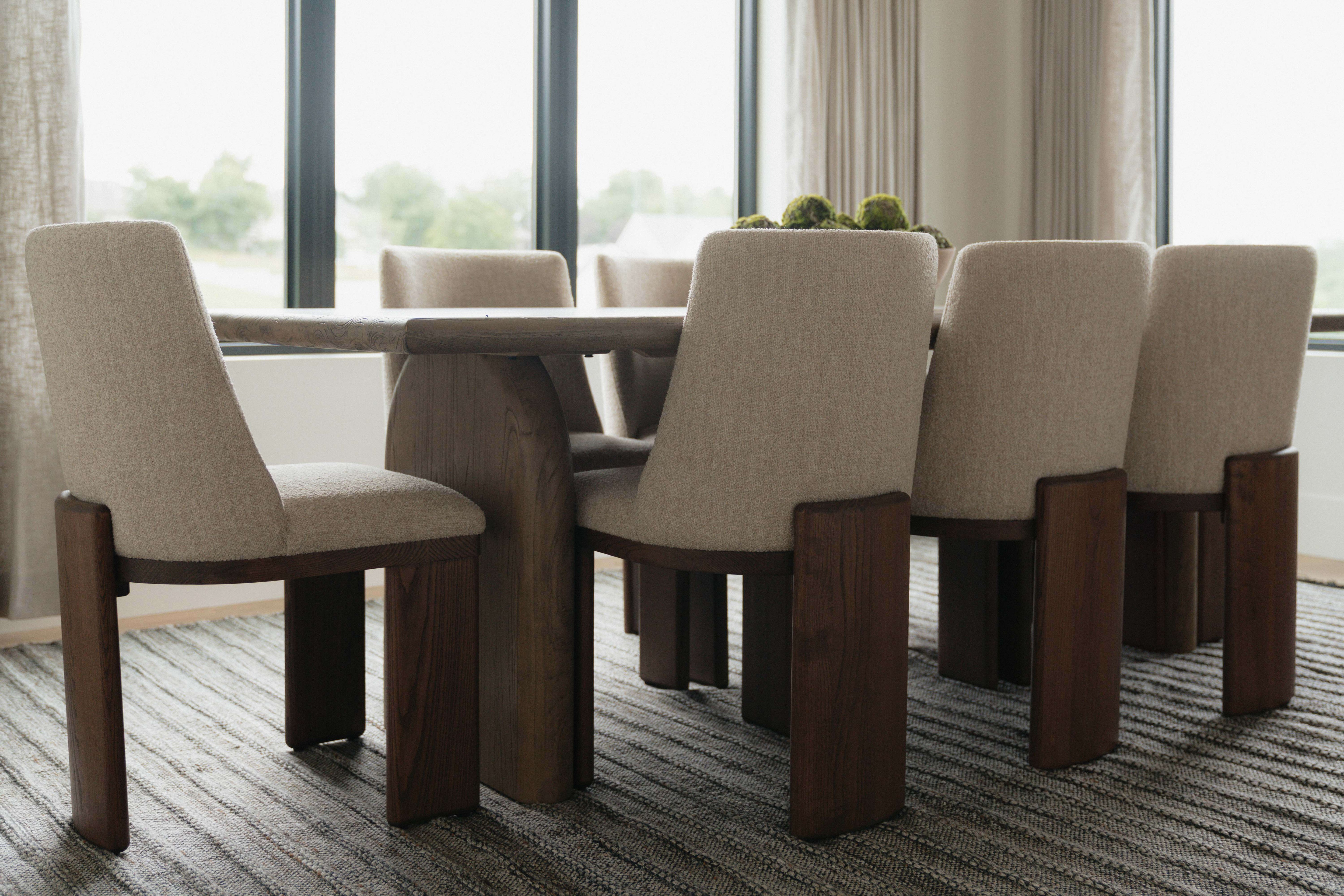
Modern and contemporary design are often used interchangeably, but they represent distinct styles rooted in different time periods, philosophies, and aesthetics. Whether you’re designing your home or helping a client choose a look, understanding the differences can bring clarity and precision to your design choices. Let’s break down the key contrasts between these two popular styles.
1. Definition and Origin
- Modern design refers to a specific style developed in the early to mid-20th century.
- Contemporary design reflects the current trends and styles of the present moment.
- Modern is static; contemporary is ever-evolving.

2. Time Period
- Modern design peaked from the 1920s to the 1970s.
- Contemporary design is fluid and reflects current innovations and cultural shifts.
- Contemporary can incorporate modern elements, but not vice versa.
3. Philosophy and Influence
- Modern design is influenced by minimalism and the Bauhaus movement.
- Contemporary design is driven by innovation, sustainability, and cultural diversity.
- Modern design follows a "form follows function" principle.

4. Color Palette
- Modern favors neutral tones like whites, browns, and earth tones.
- Contemporary embraces a broader palette, often with accent colors.
- Contemporary spaces may feature contrast (black and white), while modern sticks to subdued tones.
5. Materials and Textures
- Modern design uses natural materials like wood, leather, and stone.
- Contemporary often uses innovative or industrial materials like metal, glass, and concrete.
- Mixed textures are more typical of contemporary spaces.

6. Furniture Styles
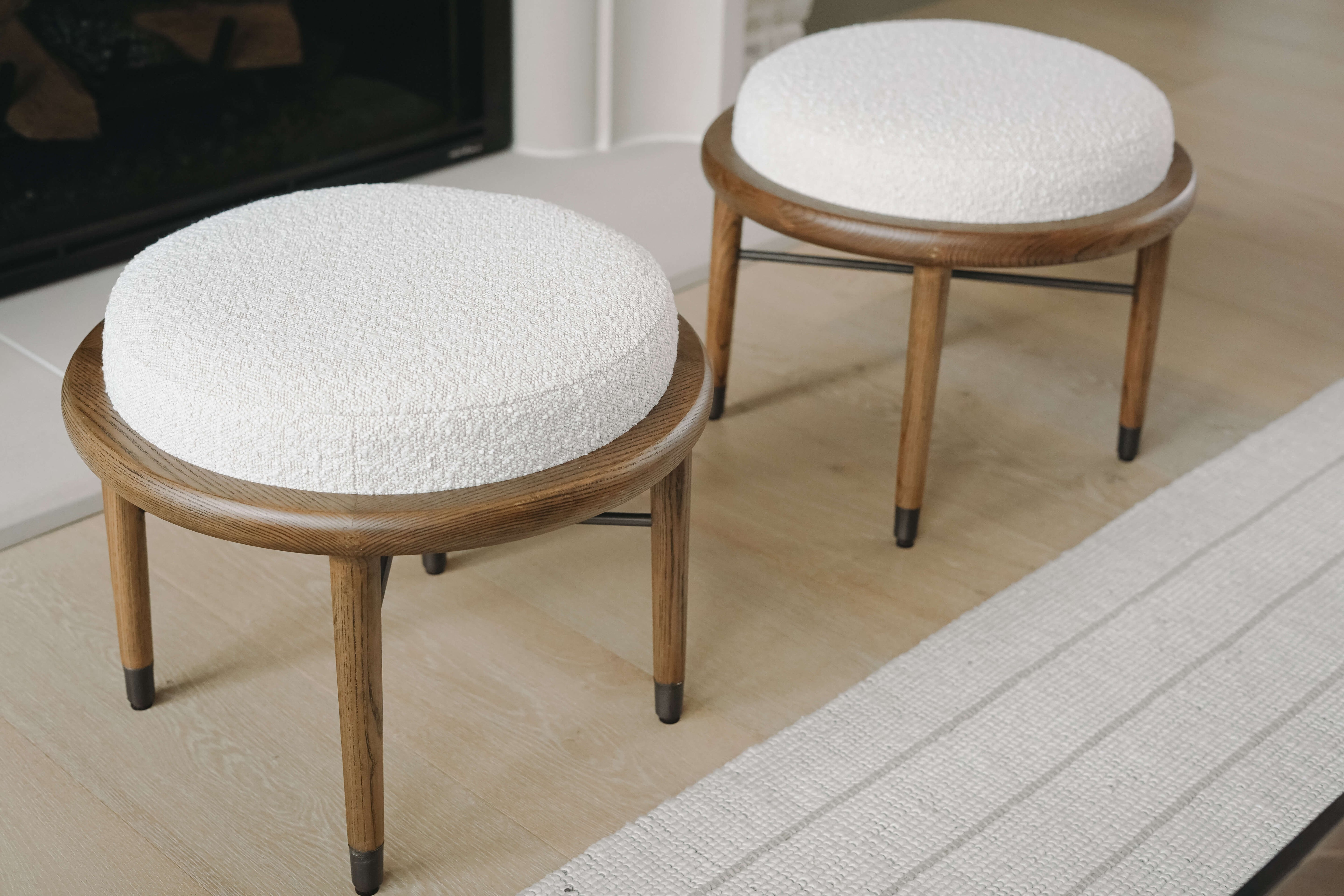
- Modern furniture is simple, with clean lines and a focus on function.
- Contemporary furniture can be sculptural, experimental, and trend-driven.
- Modern designs are lower to the ground with horizontal lines; contemporary favors variety in scale.
7. Architectural Features
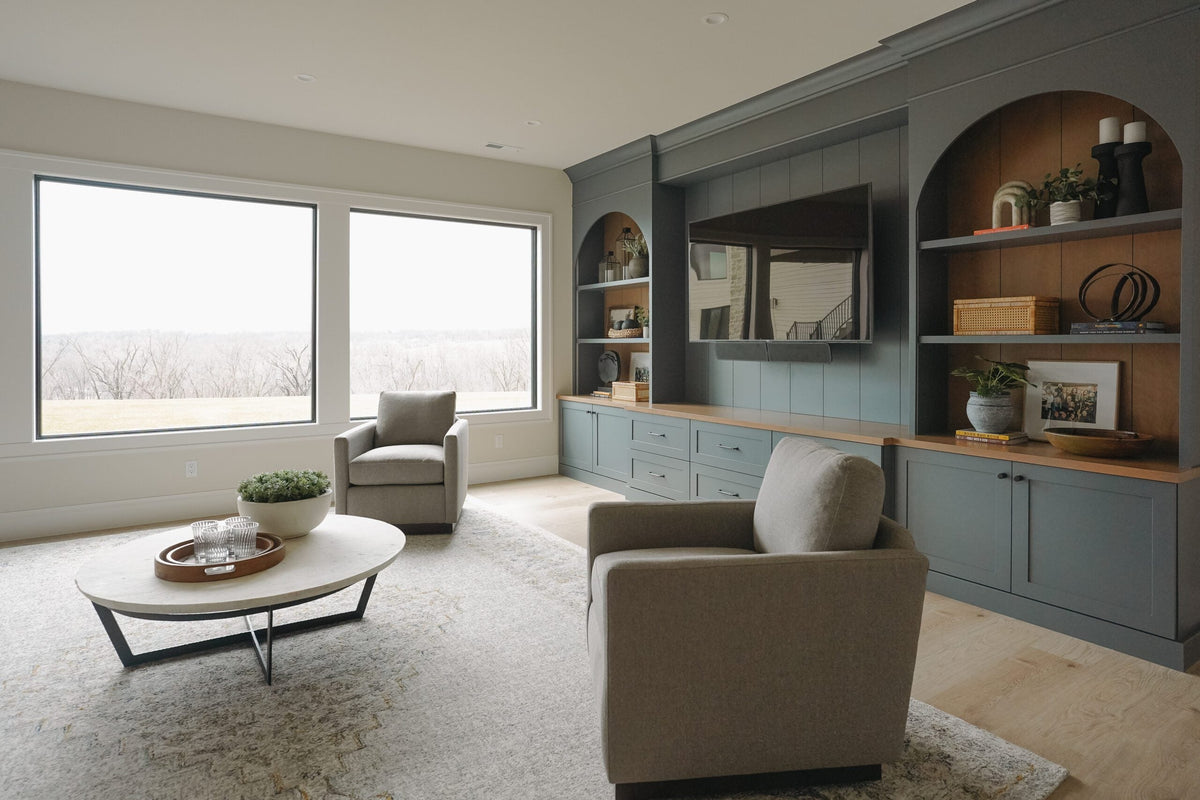
- Modern homes often feature open floor plans and large horizontal windows.
- Contemporary homes may include unusual shapes, asymmetry, and eco-friendly features.
- Modern architecture emphasizes simplicity and proportion; contemporary embraces innovation.

8. Decor and Accessories
- Modern decor is minimal and purposeful.
- Contemporary decor may include statement pieces, bold artwork, or trendy lighting.
- Less is more in modern spaces; contemporary allows for more play and expression.
9. Functionality and Comfort
- Modern design prioritizes utility and simplicity over softness or comfort.
- Contemporary design often merges comfort with high-end aesthetics.
- Softer textures and ergonomic designs are more typical of contemporary spaces.

10. Longevity and Flexibility
- Modern design remains consistent due to its historical roots.
- Contemporary design evolves constantly, adapting to cultural and technological changes.
- A modern home will look the same in 10 years; a contemporary home may look outdated or refreshed depending on trends.
Final Thoughts
Modern and contemporary design each offer unique aesthetics and principles. While modern design is rooted in history with a defined visual language, contemporary design is a mirror of the now, shifting with the times. Knowing their differences helps create intentional, cohesive spaces that truly reflect your style or your client’s vision.