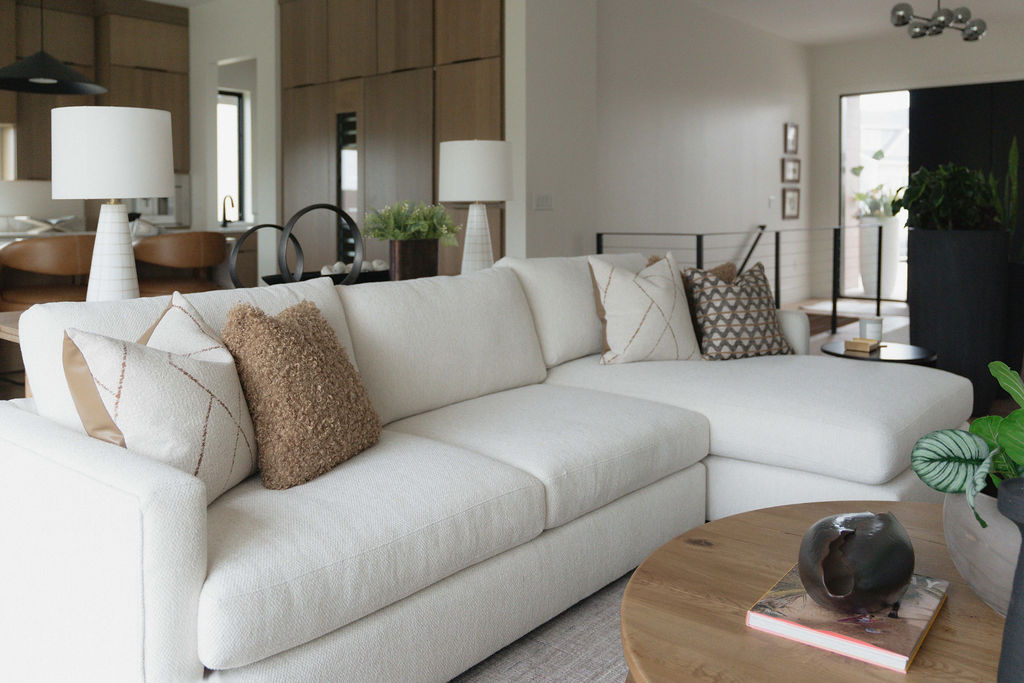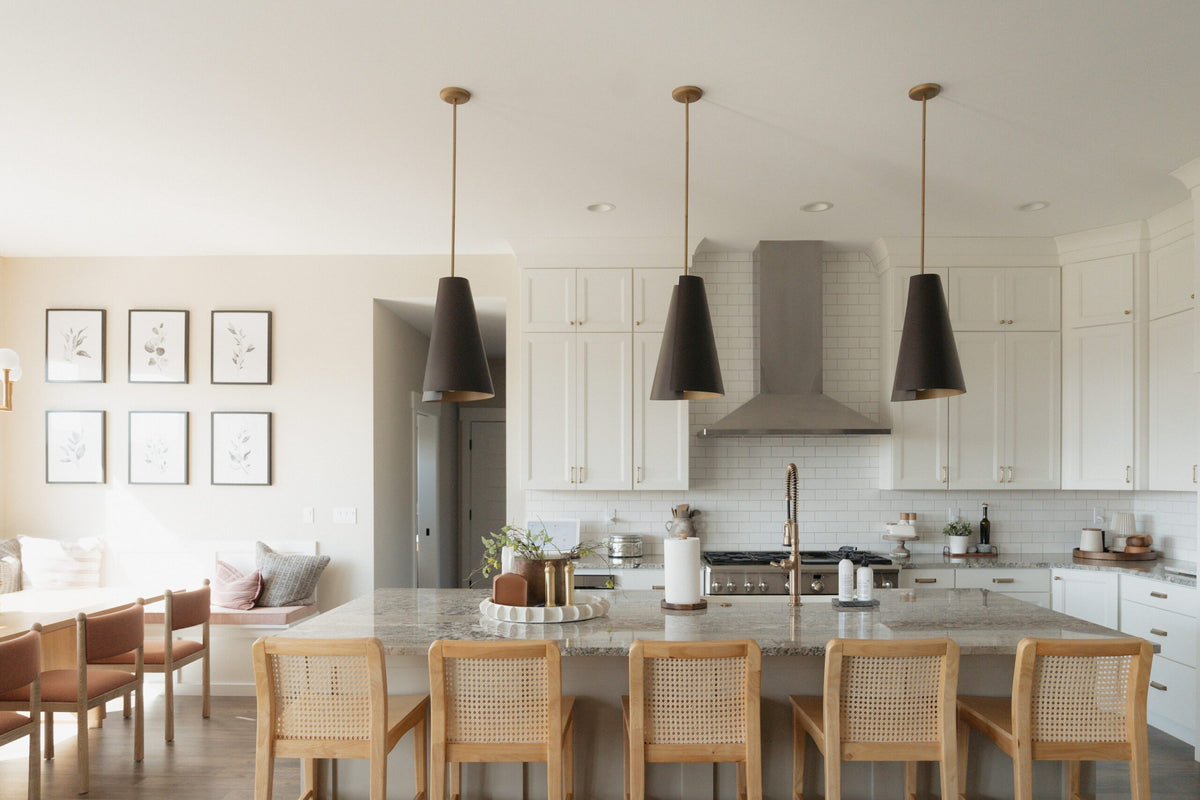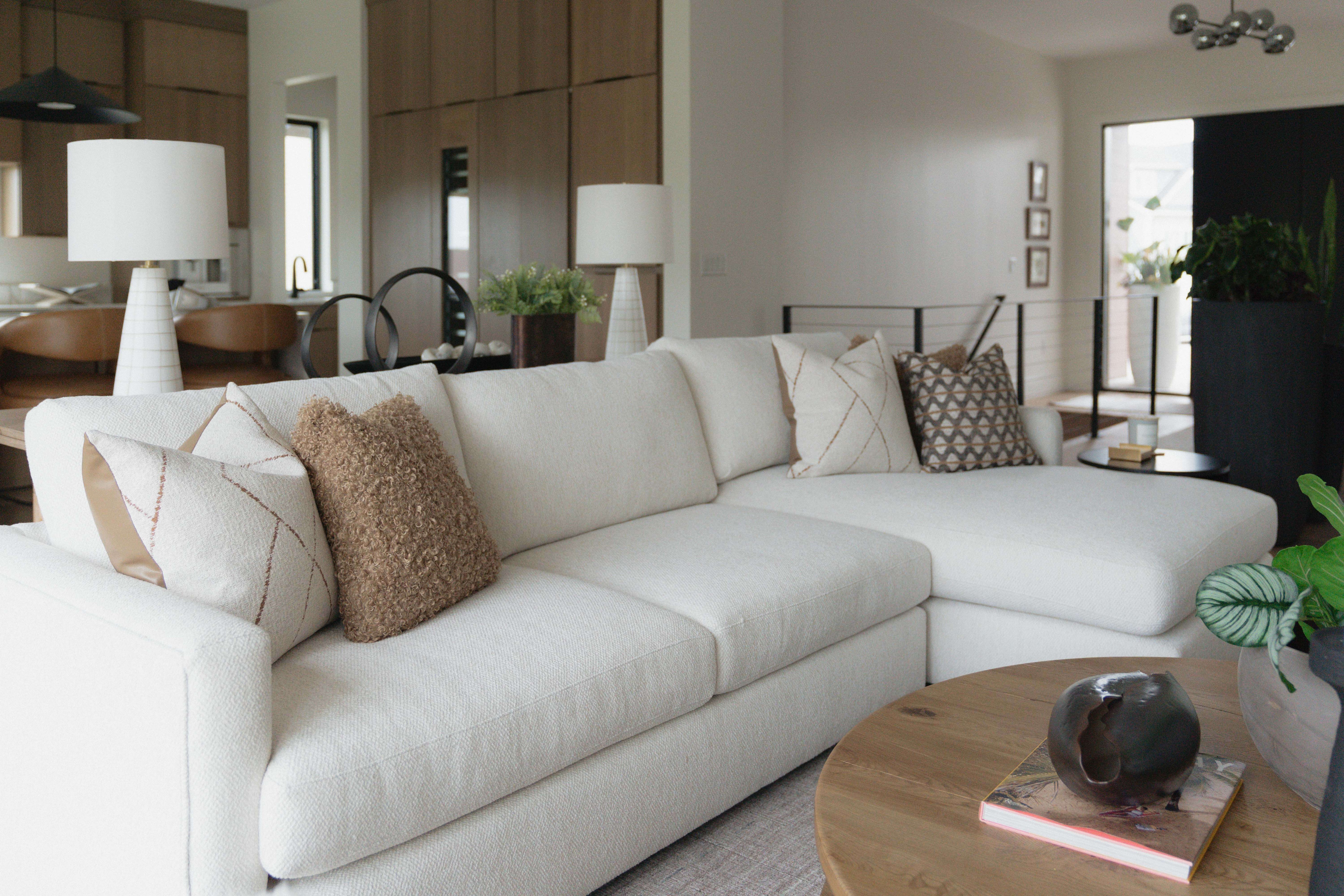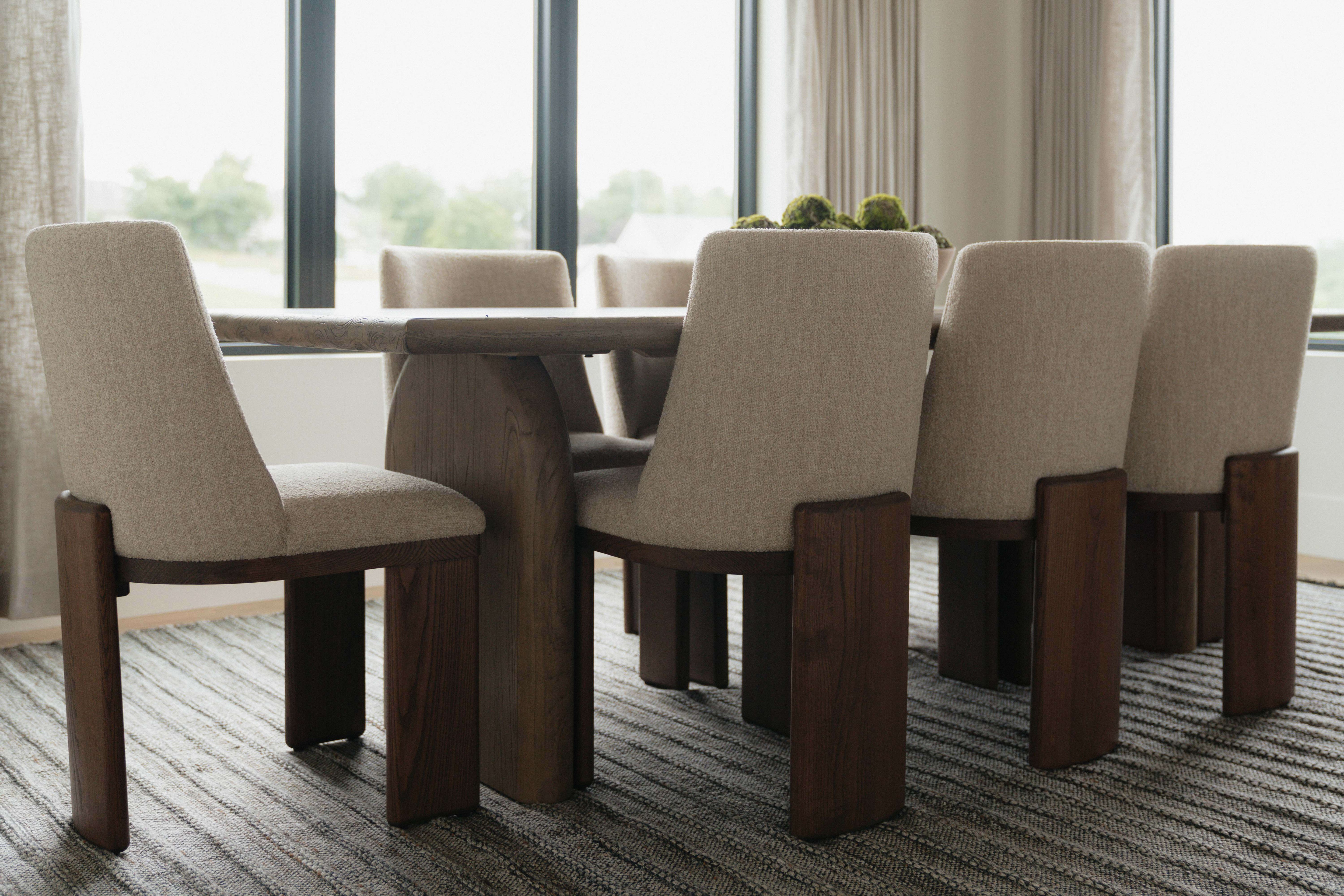

Have you ever walked into a space and immediately felt calmer, happier, or more energized? That feeling isn’t random, it’s the power of design at work. The way your home looks and feels can have a significant impact on your mood and mental health. Here’s how your interior environment can influence your well-being, and how to make thoughtful design choices that support a happier life.
1. Color & Emotion: Why Your Walls Might be Shaping Your Mood
- Color is one of the most powerful tools in interior design.
- Soft blues and greens tend to promote calm and relaxation.
- Warm tones like yellows and terracottas can evoke warmth and energy.
- Consider how you want each room to feel, and use color intentionally to shape that emotional response.

2. The Power of Natural Light
- Sunlight plays a huge role in regulating our mood and energy levels.
- Maximizing natural light with sheer curtains, skylights, and mirrors can help boost serotonin levels and keep your space feeling open and inviting.
3. Clutter vs. Calm
- Visual clutter can lead to mental clutter. Creating a clean, organized space can help reduce stress and improve focus.
- Thoughtful storage solutions and minimalistic design can create a sense of peace and order.

4. Comfort is Key: Why Texture and Layout Matter
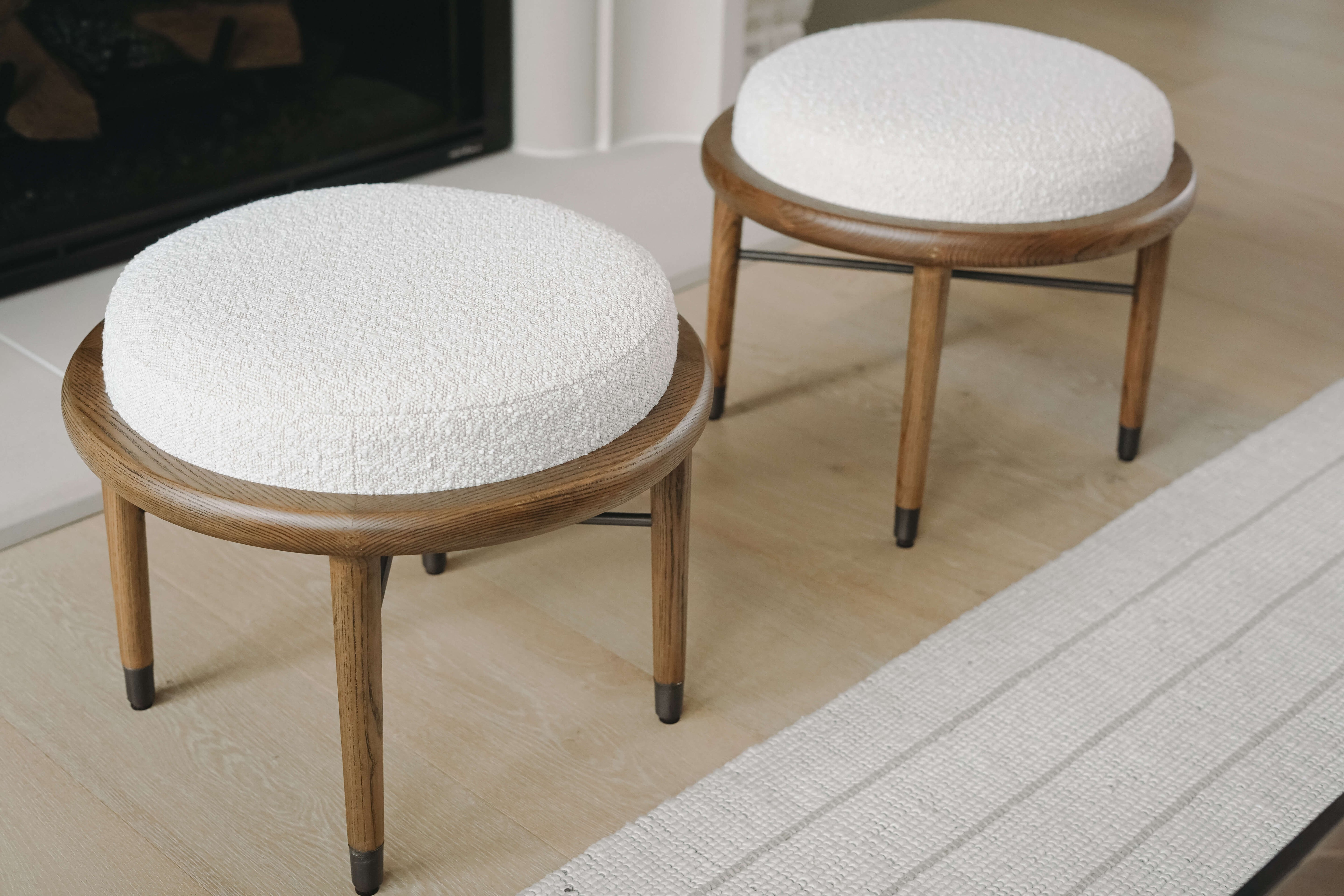
- The tactile elements in your home, like plush rugs, soft throws, or smooth wood finishes, can provide comfort and a sense of grounding.
- Similarly, how your furniture is arranged can impact how you move through and experience your home. A thoughtful layout promotes flow, ease, and functionality.
5. Biophilic Design: Bringing Nature Indoors
- Nature has a calming and rejuvenating effect. Incorporating plants, natural materials like wood and stone, or even nature-inspired artwork can help create a more balanced and tranquil environment.

6. Personal Touches
- Surrounding yourself with meaningful objects (family photos, heirlooms, travel souvenirs) can foster a sense of identity, joy, and emotional connection to your space.
- These elements make your home truly feel like yours.
7. Flow & Functionality
- Spaces that are designed with your lifestyle in mind can reduce stress and support your daily routines.
- Whether it’s a mudroom that helps manage clutter or a designated reading nook, thoughtful planning can make your home work better for you.

8. Lighting the Mood
- Lighting isn’t just functional: it’s emotional.
- Layered lighting using ambient, task, and accent sources creates warmth and allows you to adjust the vibe depending on the time of the day or activity.
9. Sound & Scent
- Design isn’t limited to the visual. Calming music, soft background sound, and signature home scents can instantly change the energy of a space, making it feel cozy and lived-in.
10. Design with Intention
- Ultimately, home is about how a space makes you feel.
- Designing with intention, whether it’s choosing the right sofa, rearranging your layout, or adding a fresh coat of paint, can help create a space that feels uplifting, functional, and uniquely yours.

Final Thoughts
At Mix Home, we believe in creating beautiful spaces that support your lifestyle and mental well-being. Let us help you design a home that truly feels like home.