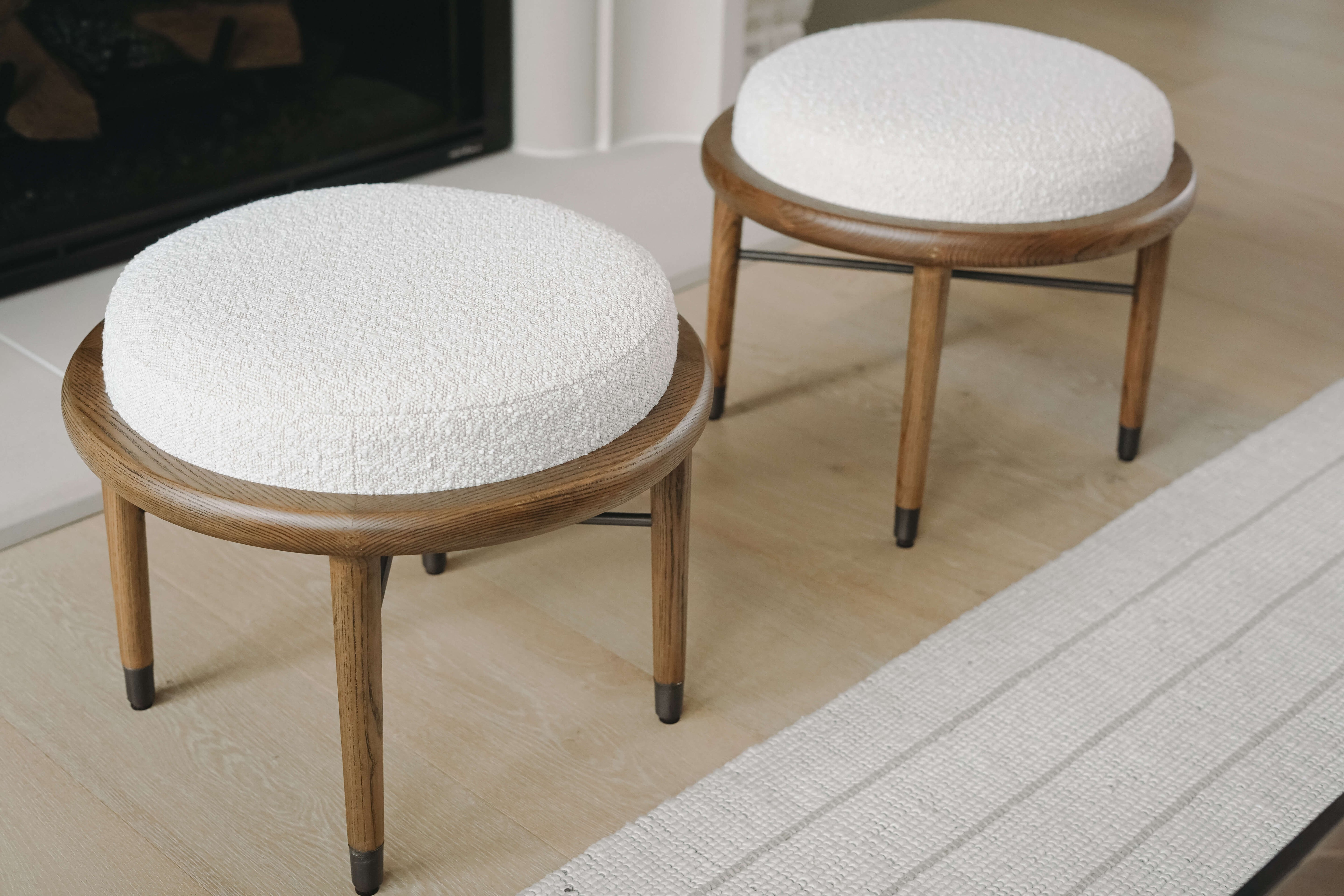
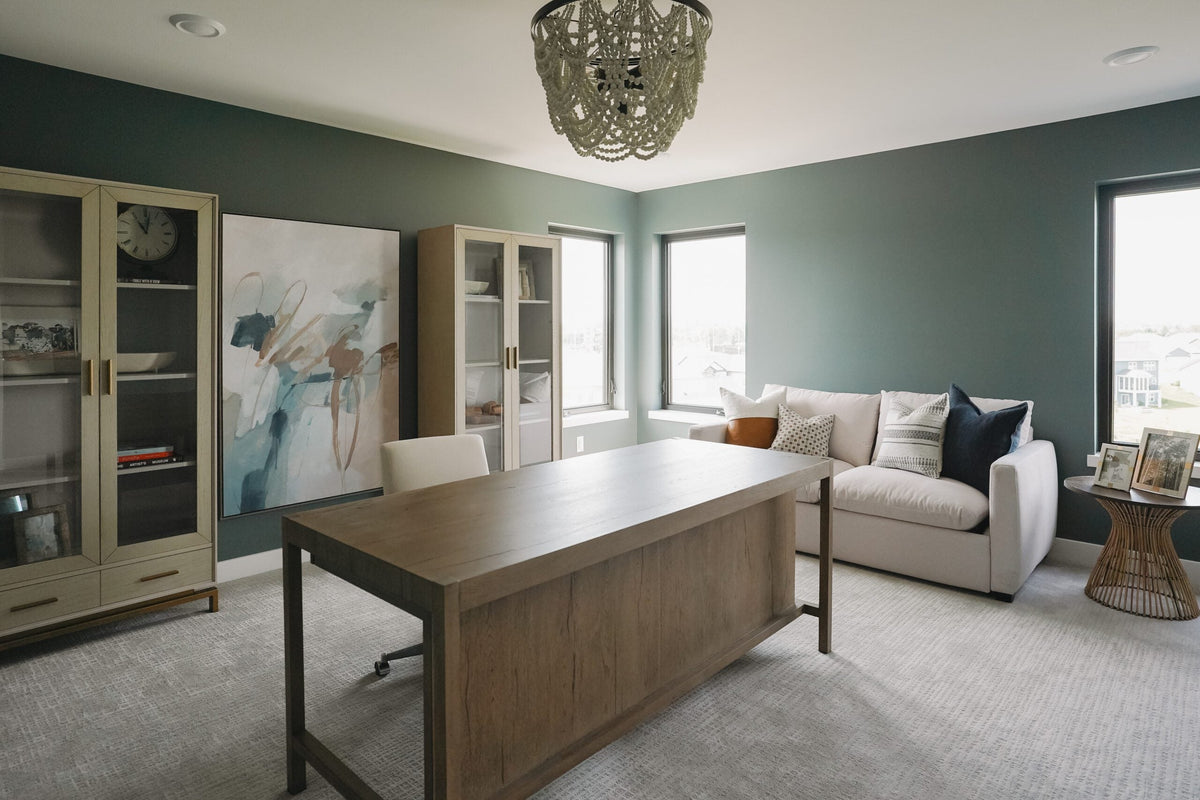
Choosing the perfect color palette can transform the way your home looks and feels. Whether you’re refreshing a single room or designing an entire space, understanding the principles of color theory is essential. In this guide, we break down key concepts to help you confidently select colors that reflect your style and enhance your environment.
1. What is Color Theory and Why It Matters
- Color theory is the science of how colors interact and influence perception.
- It helps create visual harmony, balance, and emotional impact in a room.
- Knowing the basics makes it easier to choose combinations that work well together.

2. Primary, Secondary, and Tertiary Colors Explained
- Primary colors (red, blue, and yellow) cannot be created from other colors.
- Secondary colors (orange, green, and purple) are made by mixing two primaries.
- Tertiary colors: blends of primary and secondary hues, like teal or rose.
3. Understanding the Color Wheel
- A circular diagram that visually represents relationships between colors.
- Opposing colors are complementary; neighboring colors are analogous.
- Use it to identify harmonious palettes and striking contrasts.
4. The Power of Warm vs. Cool Colors
- Warm colors (reds, oranges, yellows) evoke energy and coziness.
- Cool colors (blues, greens, purples) create calm, serene environments.
- Knowing the temperature of a room’s light and purpose helps guide your choice.

5. How to Use Complementary Colors
- These are colors opposite each other on the wheel (e.g., blue and orange).
- They create dynamic contrast and visual excitement when paired thoughtfully.
- Ideal for accent walls, artwork, or balancing bold and neutral elements.
6. Analogous Color Palettes for Subtle Harmony
- These are colors next to each other on the wheel (e.g., green, blue-green, blue).
- They offer a cohesive and soothing look, ideal for bedrooms or living rooms.
- Best used with one dominant color and two supporting tones.

7. The 60-30-10 Rule of Color Balance
- 60% dominant color (walls, larger furniture), 30% secondary (upholstery, rugs), 10% accent (art, pillows).
- Creates visual structure and prevents color overload.
- Works across design styles, from modern to traditional.
8. Choosing Neutrals That Work With Any Palette
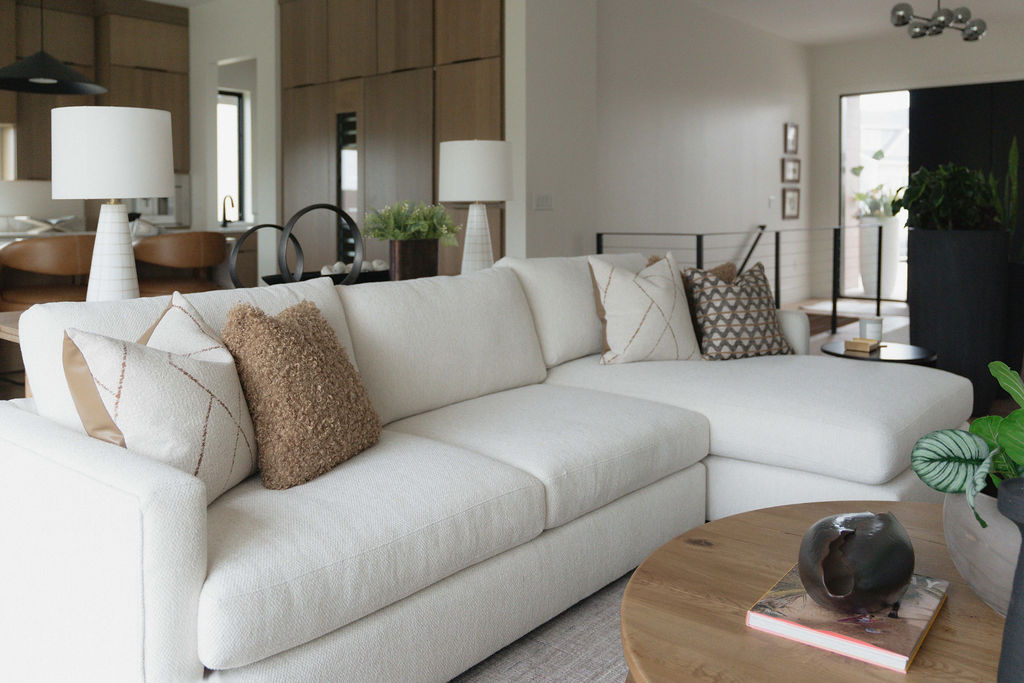
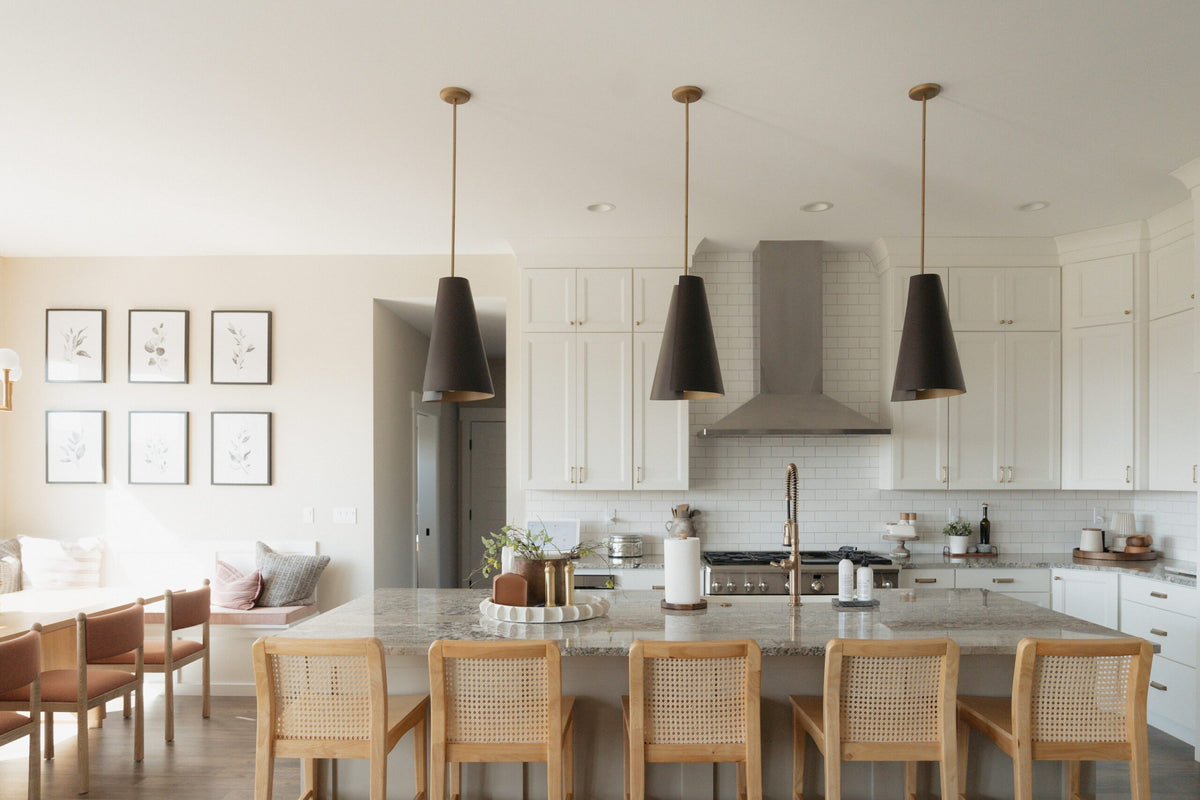
- Neutrals like white, beige, gray, and black provide a timeless foundation.
- Use undertones (cool or warm) to align with your chosen palette.
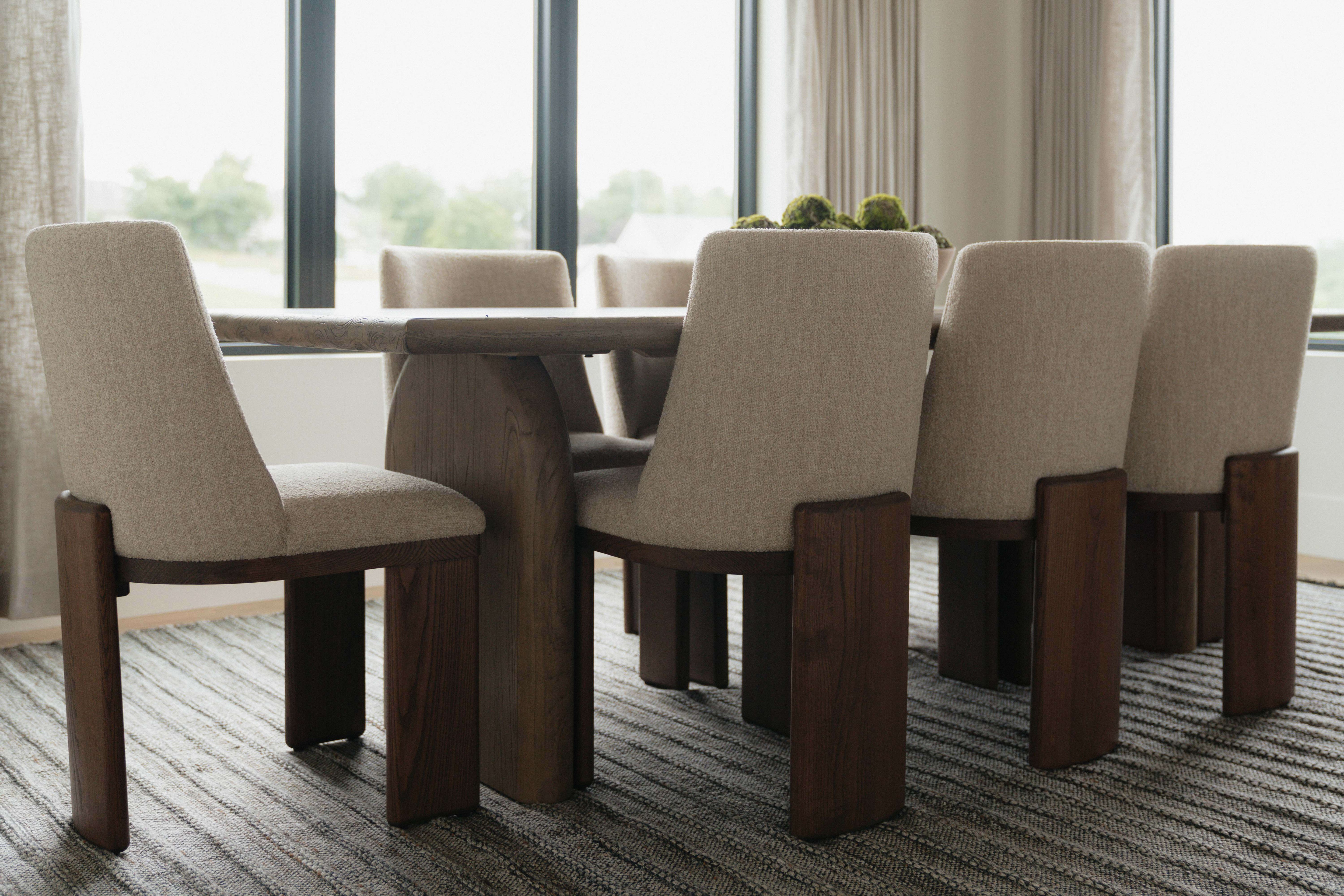
- Layer textures and finishes to keep neutral schemes interesting.

9. Factoring in Natural and Artificial Lighting
- Natural light changes color perception throughout the day.
- Cool lighting can make warm colors appear dull and vice versa.
- Always test paint swatches in different light conditions before committing.
10. Finding Inspiration and Testing Your Palette
- Draw ideas from nature, art, textiles, or your favorite decor pieces.
- Use paint samples, mood boards, and digital tools like color visualizers.
- Start small: test in a powder room or entryway before applying to larger spaces.

Final Thoughts
Color theory isn’t just for designers, it’s a valuable tool for any homeowner looking to make thoughtful, beautiful design decisions. By understanding how colors work together and influence mood, you can create a palette that feels cohesive, comfortable, and uniquely yours.